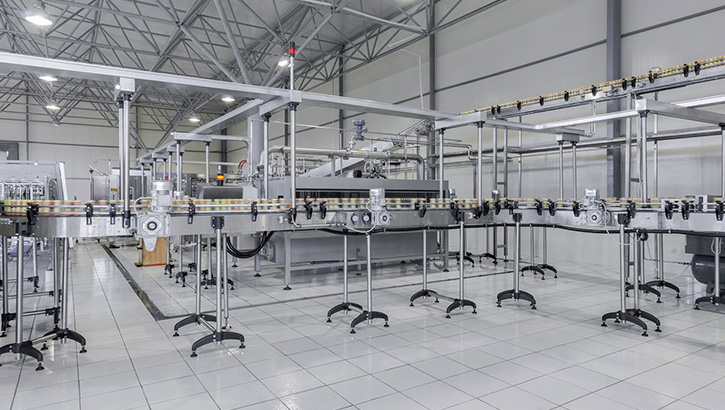
Allergen management is one of the biggest challenges in the food industry today, especially in plants that produce ready-to-eat foods. The uncontrolled presence of allergens can pose serious health risks, as well as lead to product recalls, regulatory penalties, and damage to brand reputation. In this context, industrial solutions for allergen reduction combine hygienic equipment design, advanced processing technology, and standardized operating protocols.
Why is reducing allergens in ready-to-eat products critical?
Unlike other foods that require cooking by the consumer, ready-to-eat products do not have a subsequent risk elimination step. Therefore:
- Any cross-contamination remains in the final product.
- Legal limits for allergens are becoming increasingly strict.
- Consumers demand greater transparency and safety.
In a market where ready-to-eat products continue to grow, food safety is a key competitive factor.
Hygienic equipment design: the first barrier against allergens
Machinery design is a determining factor in preventing cross-contamination.
Equipment with certified hygienic design
The most effective industrial solutions incorporate:
- Smooth surfaces with no dead zones Seamless,
- polished welds
- No exposed bolts
- Complete drainage of liquids and waste
These principles allow for more effective and repeatable cleaning, reducing the accumulation of allergenic residues.
Line separation and modularity
When production demands it, modular equipment facilitates:
- Dedicated lines for “free-from” products
- Rapid format changes with reduced risk
- Scalability without compromising safety
In the processing of purees, sauces and creams, this flexibility is key to responding to market demands.
Processing technologies that help minimize risks
In addition to the design, the technology applied to the processing directly contributes to the reduction of allergens.
CIP (Clean-in-Place) cleaning systems
Automated CIP systems allow for:
- Controlled disposal of allergenic residues
- Validation of cleaning cycles
- Reduction of human error
- Optimization of water and detergent consumption
In fruit, vegetable and sauce plants, where the viscosity of the product can make manual cleaning difficult, CIP is an essential tool.
Controlled thermal and homogenization processes
Although heat does not eliminate allergens, stable and well-controlled thermal processes prevent scaling and residue that could trap allergenic proteins. Similarly, efficient homogenization reduces product adhesion to internal surfaces.
Operational protocols: the essential complement to technology
Machinery alone is not enough without proper procedures.
Cleaning and validation protocols
An effective strategy includes:
- Allergen-specific cleaning procedures
- Verification tests (swabs, rapid tests)
- Traceable records for each cycle
- Ongoing staff training
These protocols are essential to comply with regulations such as IFS, BRCGS or FSSC 22000.
Product change management
On production lines that process different recipes, it is essential to:
- Plan production sequences (from lowest to highest risk)
- Establish appropriate cleaning times
- Minimize manual intervention
Process automation reduces variability and improves safety.
Benefits for manufacturers of prepared foods
Investing in industrial solutions aimed at reducing allergens offers clear advantages:
- Greater safety for the end consumer
- Regulatory compliance and easier audits
- Reduced product recalls
- Improved operational efficiency
- Strengthened brand image